Renovation Consultation Checklist for Metro Vancouver Homeowners
A useful first renovation conversation covers what you want to change, the home's existing conditions, photos and approximate measurements, access and occupants, budget comfort, desired timing, and approval questions.
You do not need a finished design to start a renovation conversation. A clear description of what is not working, what you hope to change and what is already known about the home helps make the first discussion more useful.
Use this checklist before contacting a renovation contractor in Metro Vancouver. It is a way to organize questions, not a substitute for a site assessment or written project scope.
1. Set priorities and identify the rooms
List the rooms and areas involved. For each one, note what is essential, what would be helpful and what can wait. Explain how the space needs to function, not only which finishes you like. For a whole-home project, identify relationships between rooms and work that may need to happen in sequence.
2. Describe existing conditions
Write down known leaks, water damage, cracking, uneven surfaces, old repairs, service locations and any previous renovation work. Be clear about what you know and what you have only been told. Do not cover up a current water problem in a wish list for new finishes.
3. Bring photos and approximate measurements
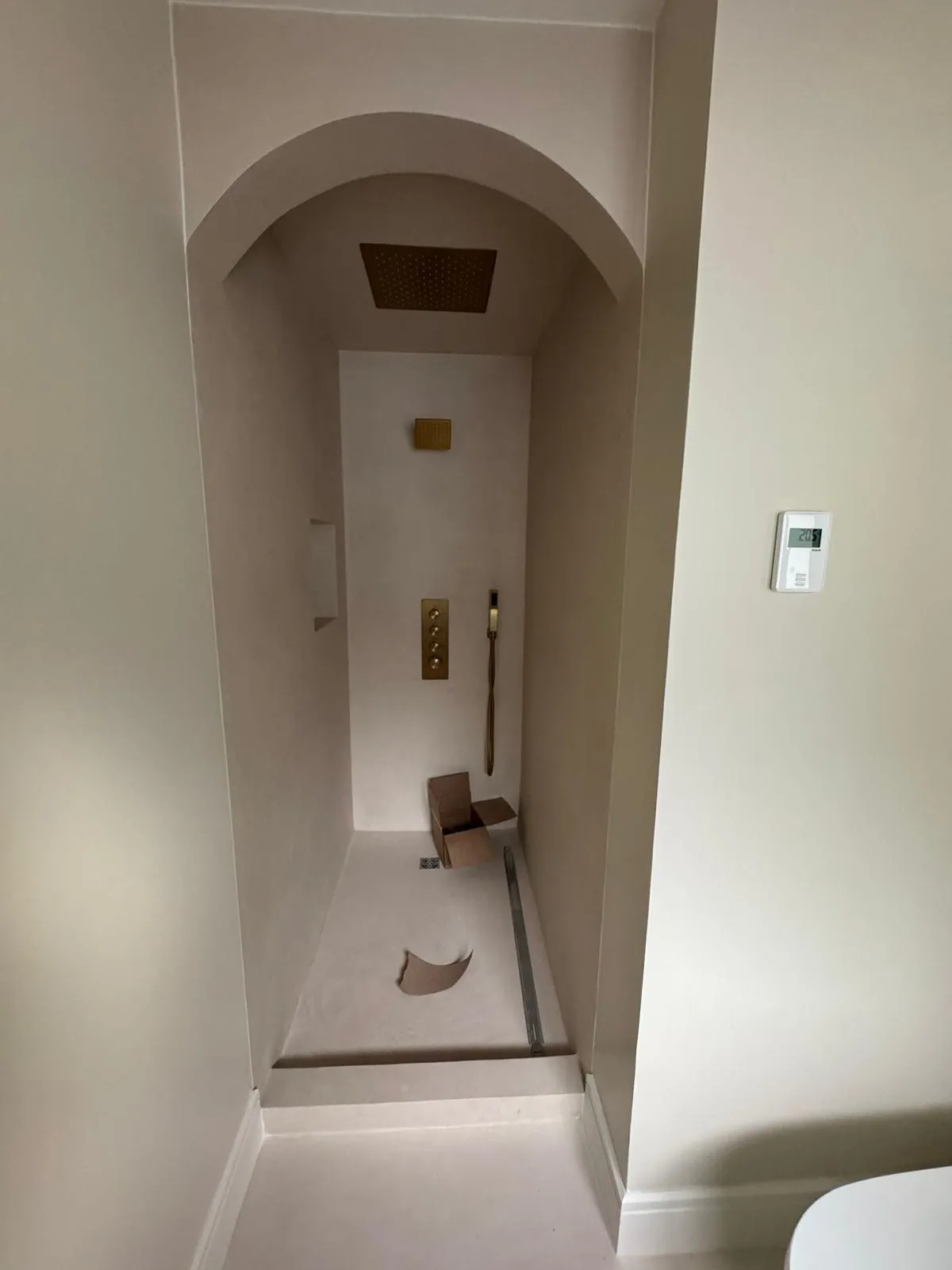
Take clear photos from more than one angle. Include doorways, windows, stairs, fixtures and areas of concern. Approximate dimensions and a simple room sketch can help explain the space. Photos and measurements help prepare for a discussion but do not replace measuring and checking site conditions.
4. Plan for occupants and access
Explain who uses the home, whether anyone will remain there during the work, and any access considerations. Mention pets, children, parking, elevator bookings, quiet hours, deliveries, water shutoffs and protection of shared areas when relevant. In strata homes, ask the council or property manager about the alteration-approval process and work rules.
5. Share budget comfort and timing preferences
Think about a budget range or comfort zone you are willing to discuss. Separate required work from optional upgrades so the scope can be prioritized if needed. Share timing preferences and any fixed constraints, but do not assume that an estimate, permit or start date can be confirmed before the scope and site are reviewed.
6. List municipal and trade questions
Identify the property's municipality and ask which approvals may apply to the work you are considering. Make a note of possible structural changes, moving plumbing or electrical, changing a basement's use, or working on shared building systems. Confirm requirements with the city and relevant trade authority; strata permission is a separate process.
7. Ask how the written scope will work
Before agreeing to a project, ask what the estimate includes and excludes, who supplies products, how allowances are handled, and how demolition, protection, cleanup and disposal are covered. Ask how concealed conditions and customer-requested changes will be documented, approved and priced. Make sure the proposal describes the same rooms and tasks you discussed.
A short preparation list
Explore renovation work
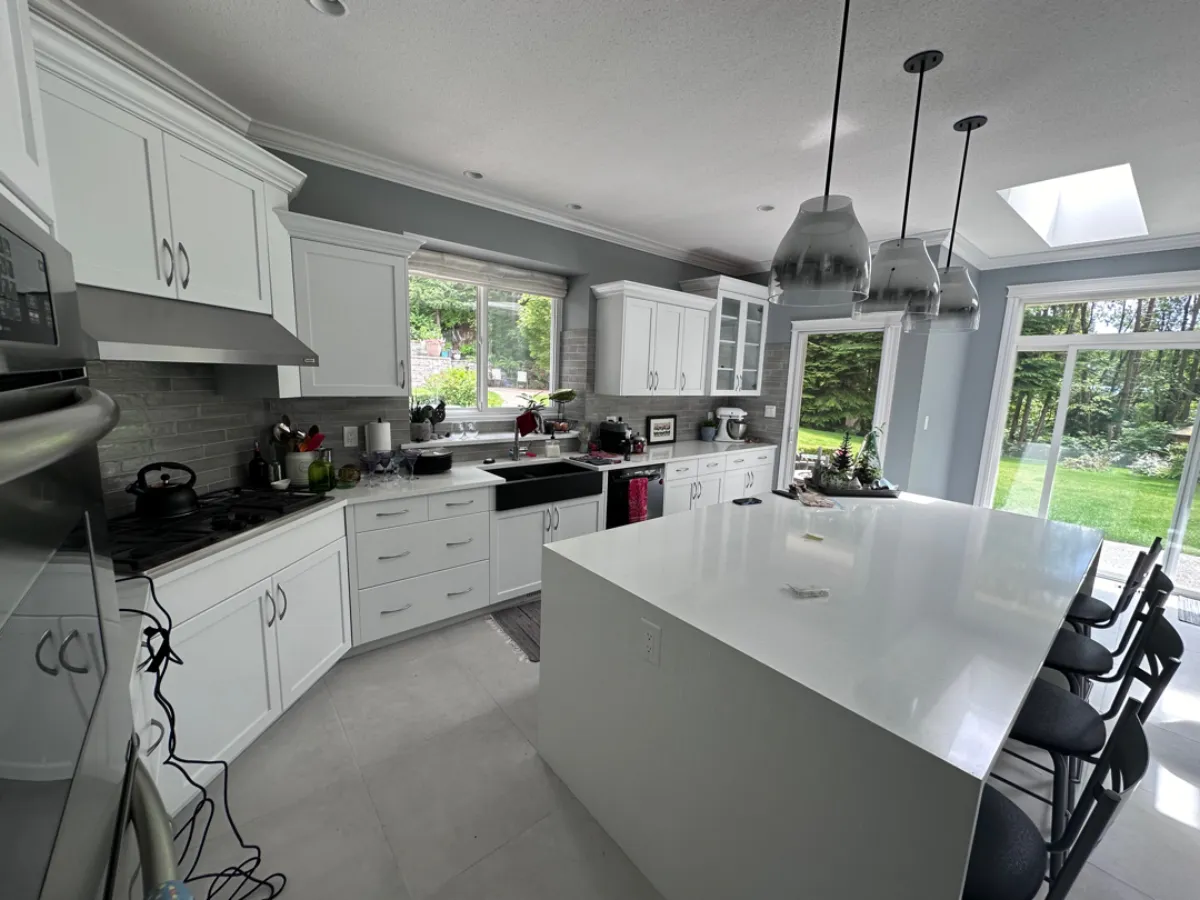
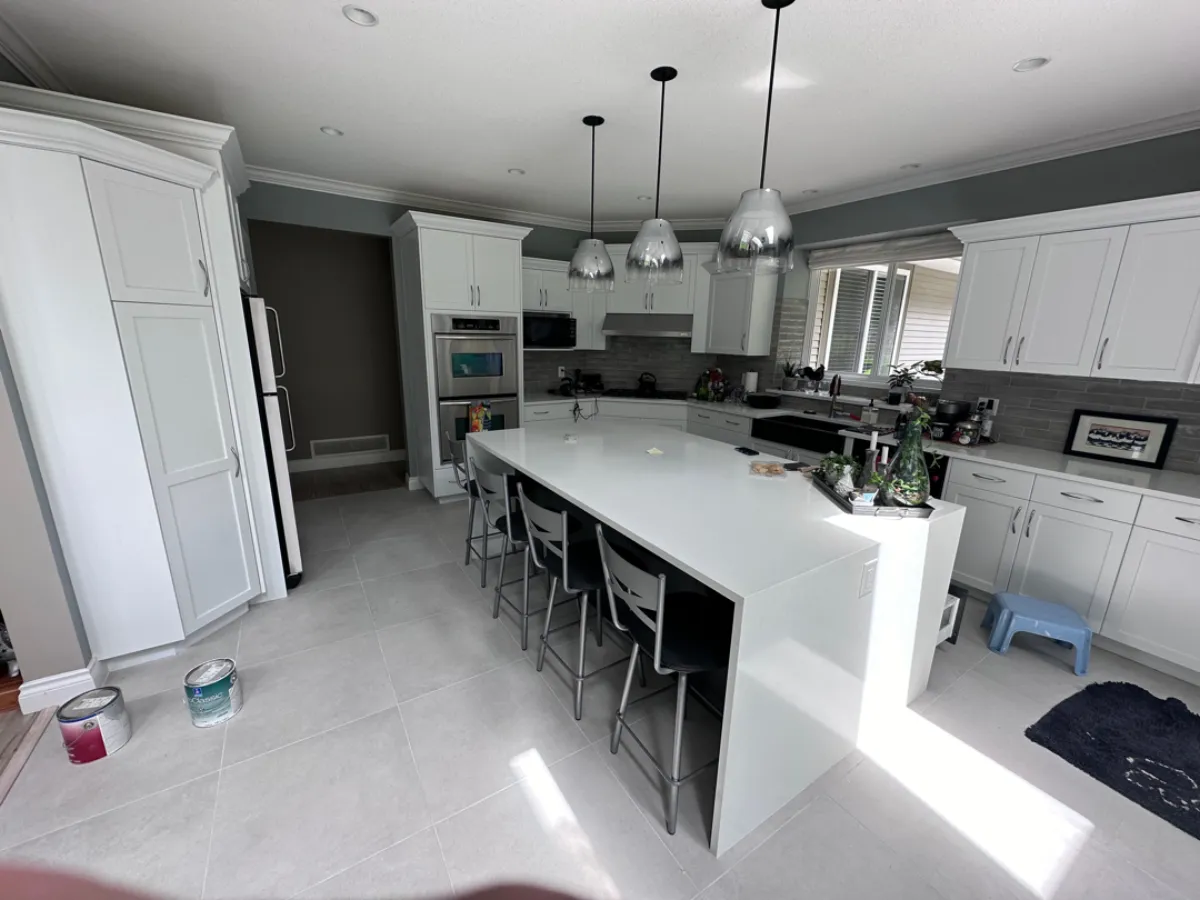
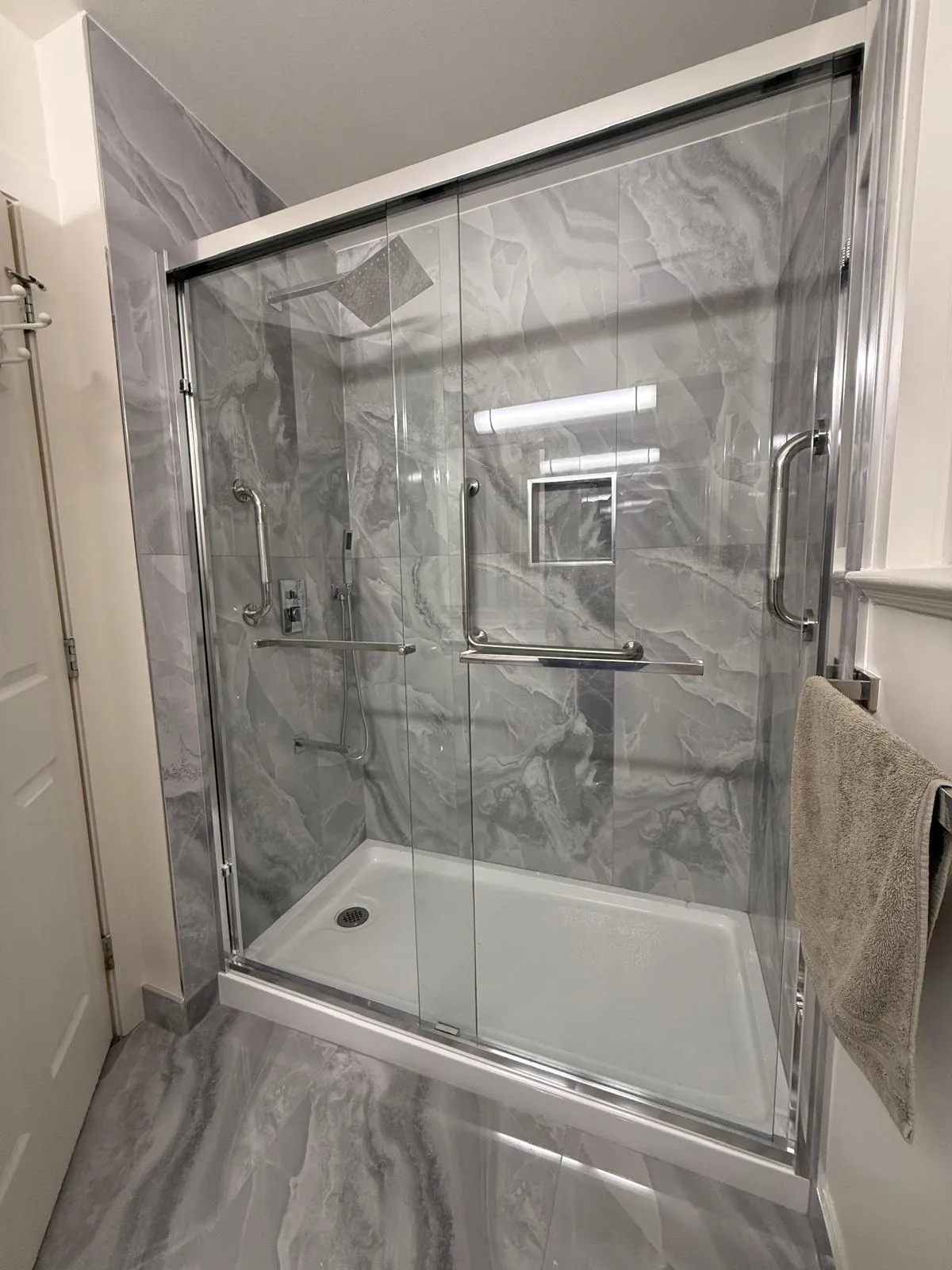
Learn about SturdyBee's home renovation services and review documented projects such as the Burnaby whole-home renovation and Anmore kitchen renovation. Each case study describes its own project and is not a promise of identical scope or outcome.
When you are ready, share your goals through the contact form. The first step is to discuss the space and work you have in mind; scope and next steps depend on the property and project.
Ready to get started?
SturdyBee Property Solutions serves 18 cities across Metro Vancouver & Fraser Valley. WCB covered, fully insured, Google Guaranteed.